
Why Dense Loading?
Within oil refineries, fixed bed hydro processing catalytic reactors are key components of value extraction and environmental compliance.
Dependent on limitations and requirements, the catalyst in those reactors can be loaded by two methods:
Dense Loading Method
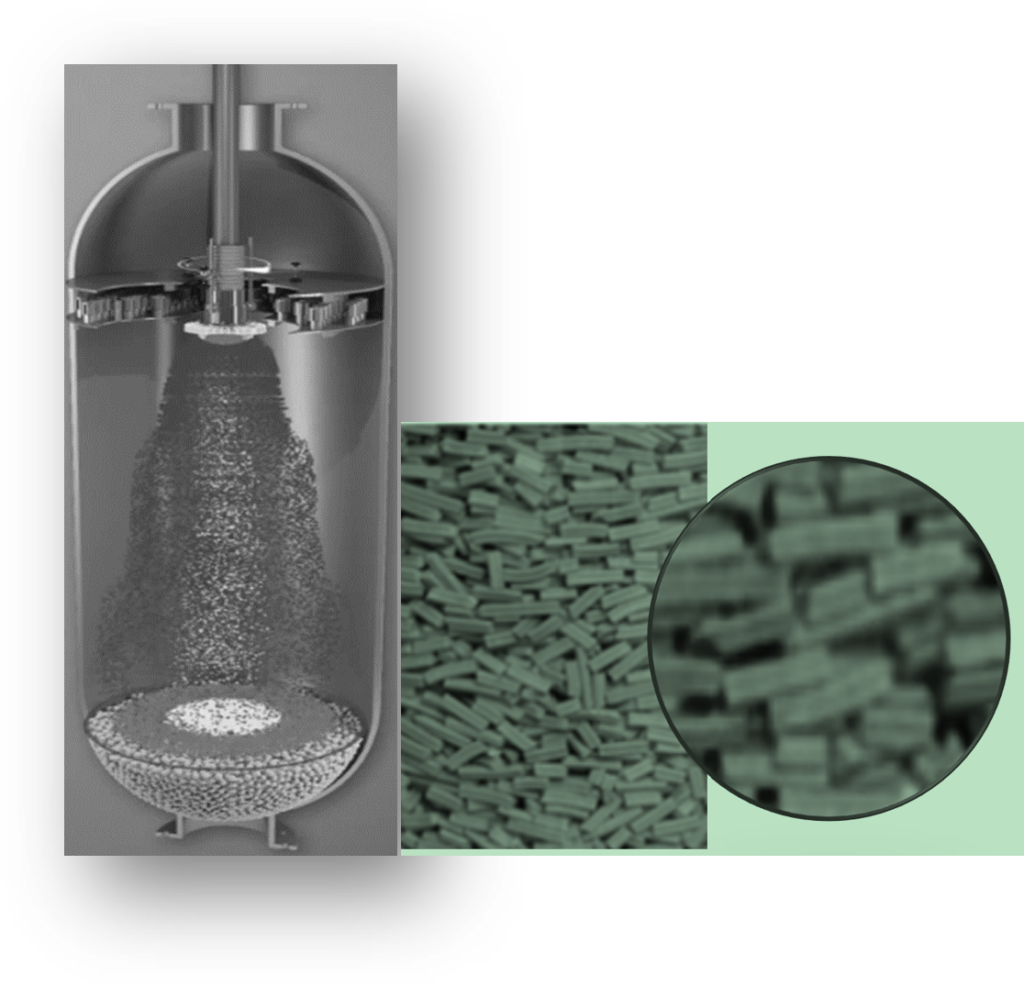
Sock Loading / Gravity Load Method
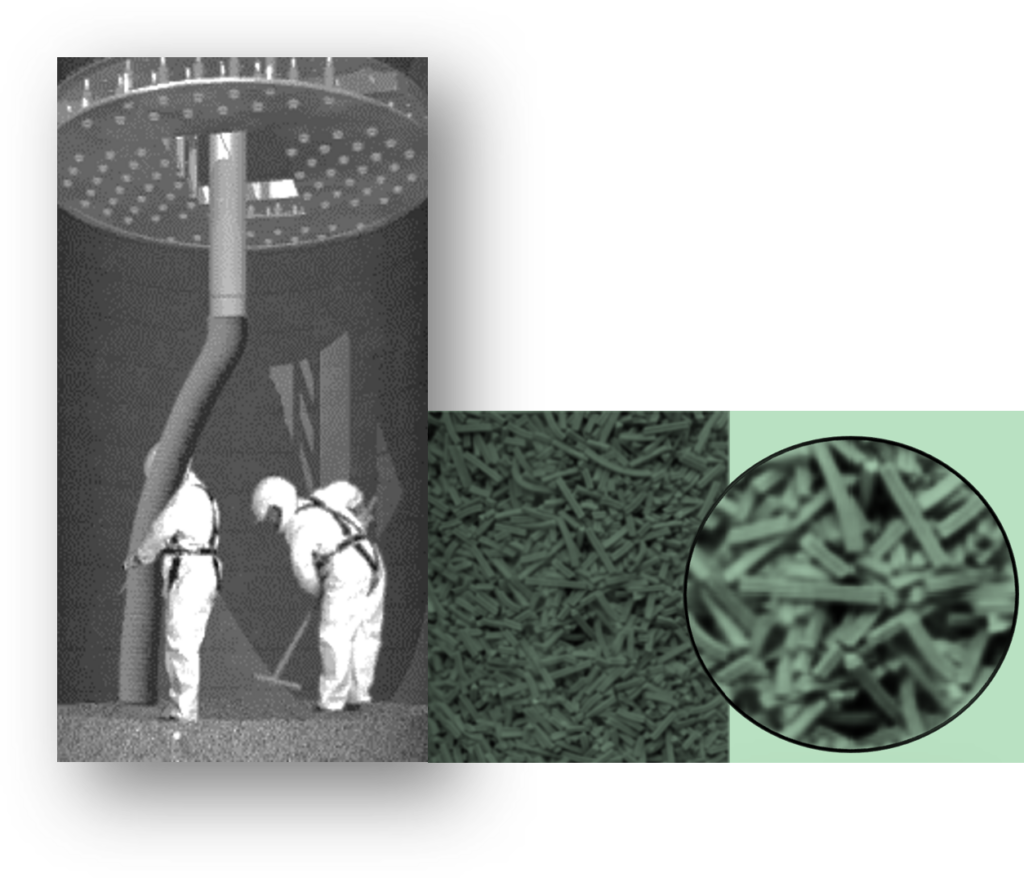
The main reasons for dense loading
- Load additional catalyst in the available space compared to sock loading (up to 25%) – improving reactor productivity
- Ensure uniform distribution of the catalyst – to prevent channeling, mal-distribution and hot spots.
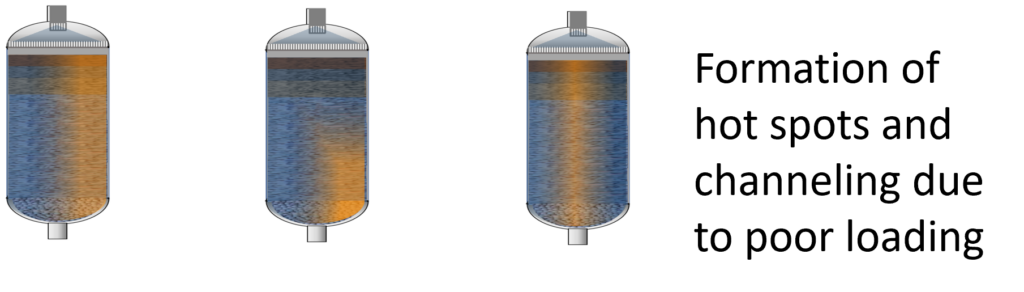
Common Dense Loading issues
There are various dense loading machines operating in today’s market and there are reported issues related to Quality, Reliability and Costs, mainly:
- Catalyst attrition through mechanical movements
- Creation of hills and troughs as the loaders cannot distribute the catalyst consistently even over the reactor
- Time consuming process for set-up of machines, personnel reactor entry/exit/re entry and bed measurement stoppages
- Break downs cause delays
- Machines are complicated and quality of load is highly dependent on Operator
- Significant amount of dust is loaded with the catalyst, prolonging Start Up time and risk of increased SOR pressure drop.
- High costs related to mobilization and travel
